This article explains the common drain problems that are found during CCTV surveys, including blockages, scale build-up, pipe damage and cracked drains. This article highlights how these hidden issues develop and why CCTV drain inspections can help prevent bigger drainage problems down the line.
Blockages Caused by Grease, Debris and Waste
Blockages caused by grease, debris and waste are some of the most common drain issues found during a CCTV survey in the UK. These blockages can affect both domestic and commercial drainage systems, and they often build up slowly over time. Many property owners won't realise there's a problem until water starts draining slowly or until a full blockage develops.
One of the main reasons this issue is so common is because grease, fat and oil are often washed down the sink, even though they should be disposed of separately. As these substances cool down, they harden and stick to the inside of the pipes. Over time, this hardened mass can catch other materials passing through the drain, such as food, soap and small bits of waste, which will gradually narrow down and restrict the pipe's water flow.
Scale Build-Up Inside the Pipes
Scale build-up inside the pipes is one of the most common drain issues found during a CCTV drainage survey. Scale develops gradually, but over time, it can have a serious effect on how well your drainage system works. Many property owners won't notice there's a problem at first because scale forms slowly along the inner surface of the pipe, and by the time signs start to appear, the build-up may already be restricting your water flow.
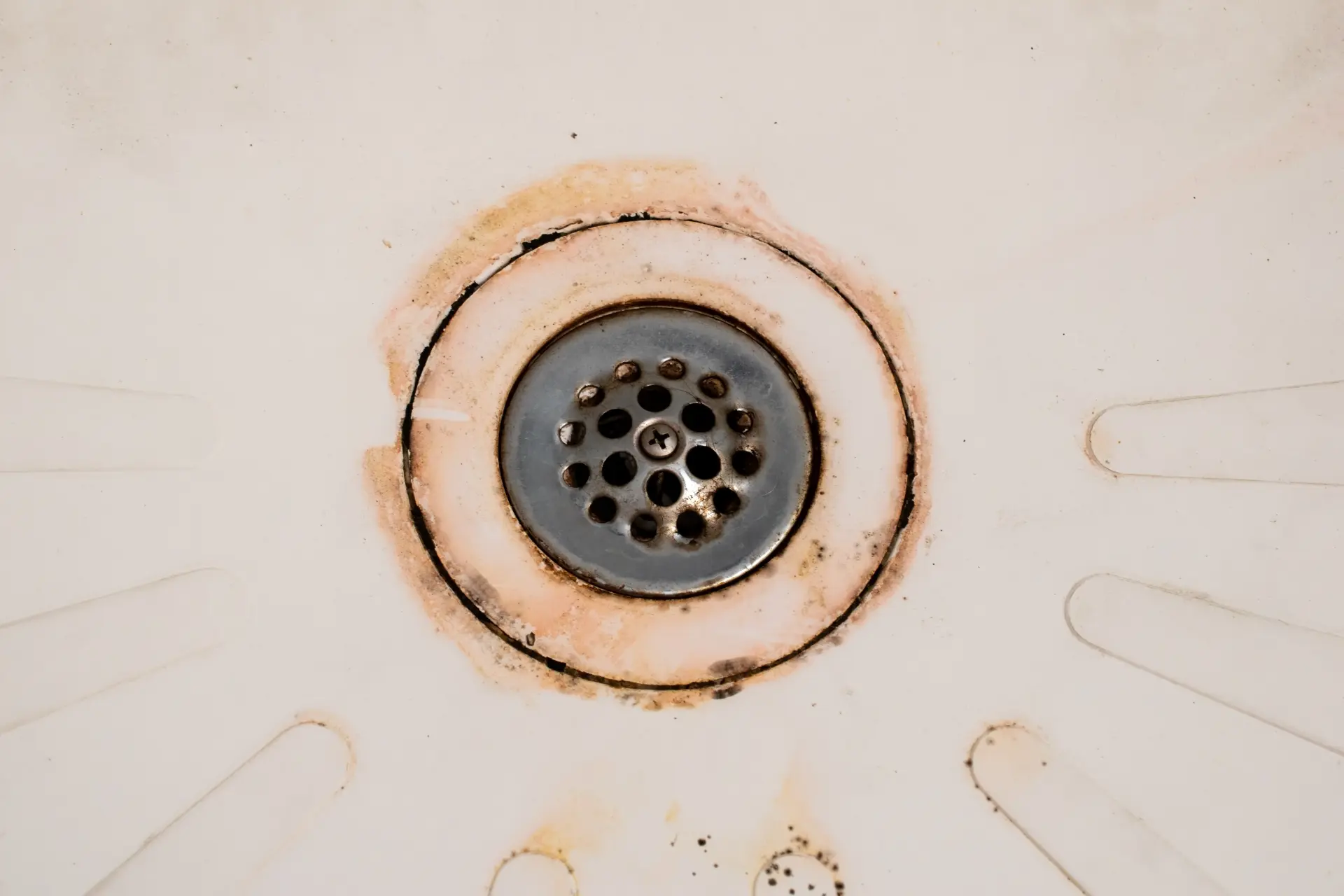
Scale is usually caused by minerals that are carried in the water, particularly in hard water. As water passes through the drainage system, small mineral deposits can cling to the pipe walls and harden over time, which creates a rough inner surface. Once this happens, other materials such as grease, soap, food and general debris are more likely to stick to the pipe as well. This makes the problem grow faster and increases the chance of a blockage forming.
Scale build-up is especially common in older properties across the UK, because old pipework may already have a rough or worn-out surface. This gives mineral deposits an easier place to settle and grow. Areas with hard water can also be more affected, but scale can become a problem in many kinds of buildings, including homes, restaurants, offices and commercial premises.
Drain Deformation and Pipe Damage
Damaged or deformed drains are often found in both old and new drainage systems, and they can cause a wide range of problems for homeowners. These issues can develop slowly over time, or they can happen suddenly due to pressure, ground movement or a poor installation. Since drains are hidden below the ground, many people won't know there's a problem until drainage issues begin to appear.
A CCTV drainage survey is one of the best ways to identify drain deformations and pipe damage. The camera travels through the drainage system and shows the inside of the pipes in real time, allowing drainage specialists to spot cracks, fractures, displaced joints, crushed sections and areas where the pipe has changed shape. Without this kind of inspection, it can be difficult to know the exact cause of recurring drainage problems.
Drain deformation refers to changes in the shape of the pipe. Instead of staying round and clear, the pipe may become slightly flattened, misshapen or bent. This can happen because of heavy pressure above the ground, poor-quality materials, ageing pipework or shifting soil. On the other hand, pipe damage can refer to issues like cracks, holes, joint failures and collapsed sections. These defects can restrict your water flow and cause blockages.
Cracked or Fractured Drain Pipes
Cracked or fractured drain pipes are some of the most common issues found during a CCTV drainage survey, and they are a major cause of ongoing drainage problems because they often develop out of sight. Many property owners won't realise there's any damage below the ground until they begin to notice blocked drains, slow water flow, bad smells or damp patches around the property. A CCTV survey can help reveal these hidden issues and make it easier to identify the cause and plan the right repairs.
There are several reasons why cracked or fractured drain pipes are so common, and one of the main reasons is ageing pipework. Older drains can become weak over time due to constant usage, general wear and tear, and long-term exposure to moisture and waste.
Ground movement is another common factor. This is because soil can shift naturally, especially during very wet or very dry periods, which can put pressure on the underground pipes.
Tree roots can also force their way into small cracks in the drain and make the damage worse, and in some cases, poor installation, heavy foot traffic above the drain or building work nearby can also cause cracks and fractures.
Cracked or fractured drains often have clear features that can be seen during a CCTV inspection. These can include fine hairline cracks, large splits, rough broken edges, displaced joints or sections where part of the pipe has broken off. Some cracks also allow water to escape into the surrounding ground, while others let soil or roots enter the pipe.
SOS Drainage NI provides reliable CCTV drainage surveys to help find blockages, cracks, root ingress and other hidden issues in drains across Craigavon, Belfast and Lisburn.
Related Articles
Signs You May Need a CCTV Drainage Survey